


Real-World Applications of Recycled Plastic Sheets.
Designers are using recycled plastic panels and Declassified Panels in nearly every furniture and architectural category:
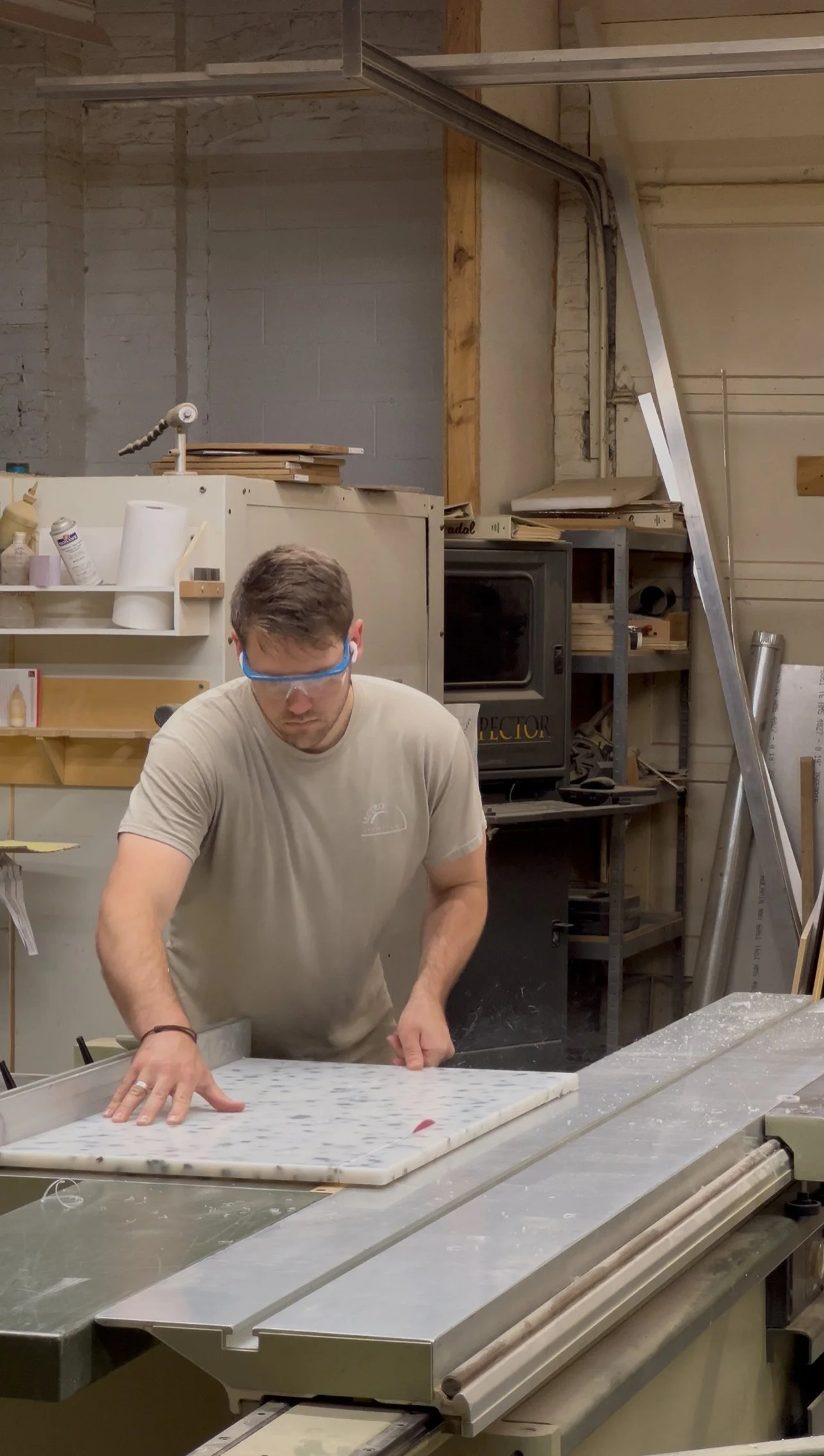
Why Recycled Plastic Sheets are the Future of Sustainable Furniture Manufacturing.
High-Density Polyethylene (HDPE) is one of the most reusable plastics in circulation. When recycled, it becomes a solid, uniform sheet that behaves more like engineered lumber than traditional plastic. At scale, it’s a closed-loop material: recycled → reformed → remade → recycled again.

Recycled Plastics: The Material Leading the Circular Design Revolution.
Design today is defined by two forces: performance and purpose. Clients want materials that look great, perform in demanding environments, and actively reduce waste. That’s why recycled plastics—especially recycled HDPE—are no longer niche. They are becoming a core building material for designers in cities like New York, Chicago, Los Angeles, San Francisco, Detroit, Grand Rapids, and Miami.
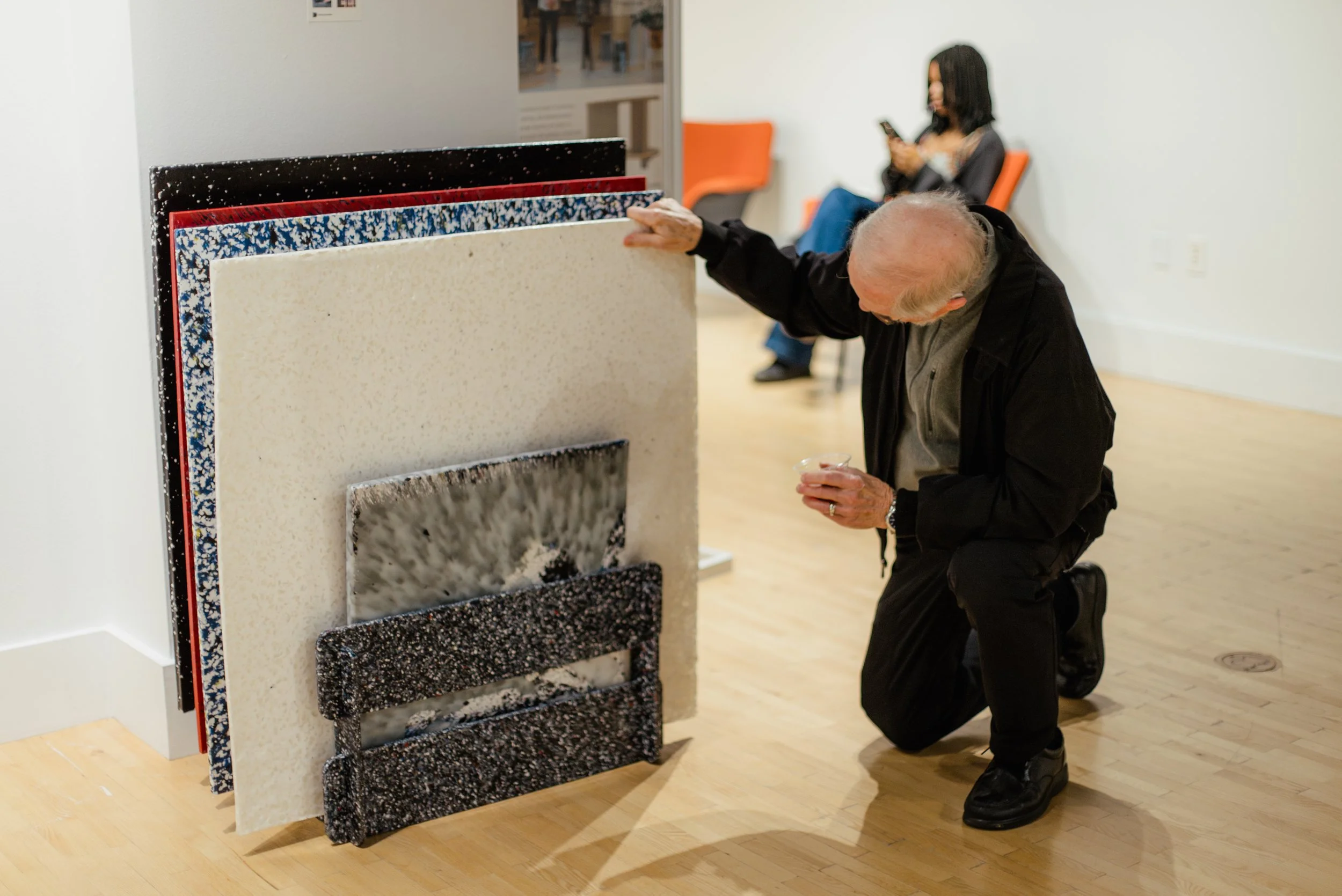
How Recycled HDPE Performs at Scale.
Scaling sustainable materials requires more than good intentions—designers need reliability, predictable supply, and consistent fabrication outcomes. Recycled HDPE meets that bar.
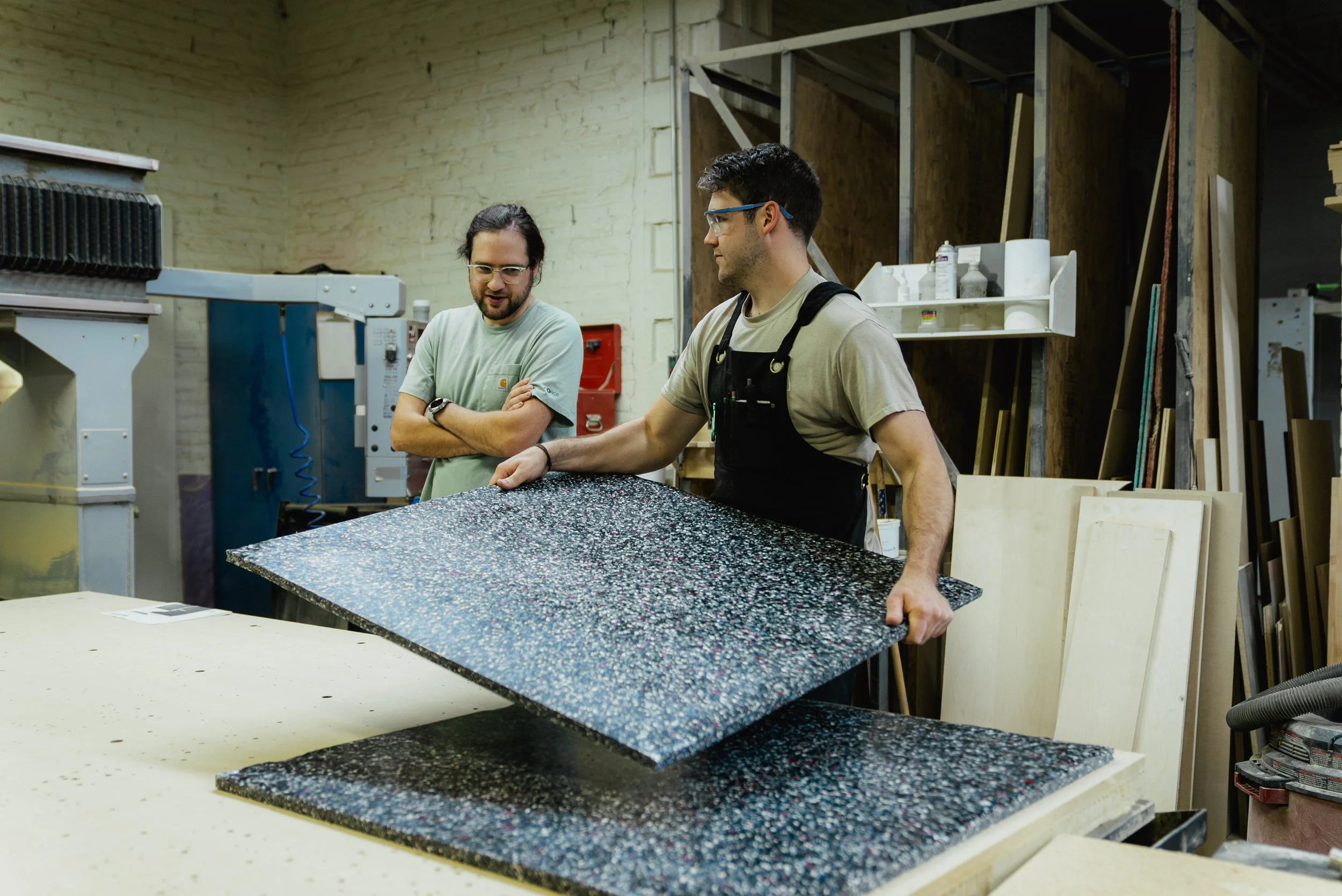
The Future of Materials: Local, Recycled, and Circular.
Material choices are shifting from “What looks good?” to “What impact will this have over time?”
Recycled HDPE is not a compromise material—it is an evolution: a resource that transforms waste streams into durable, spec-ready surfaces.
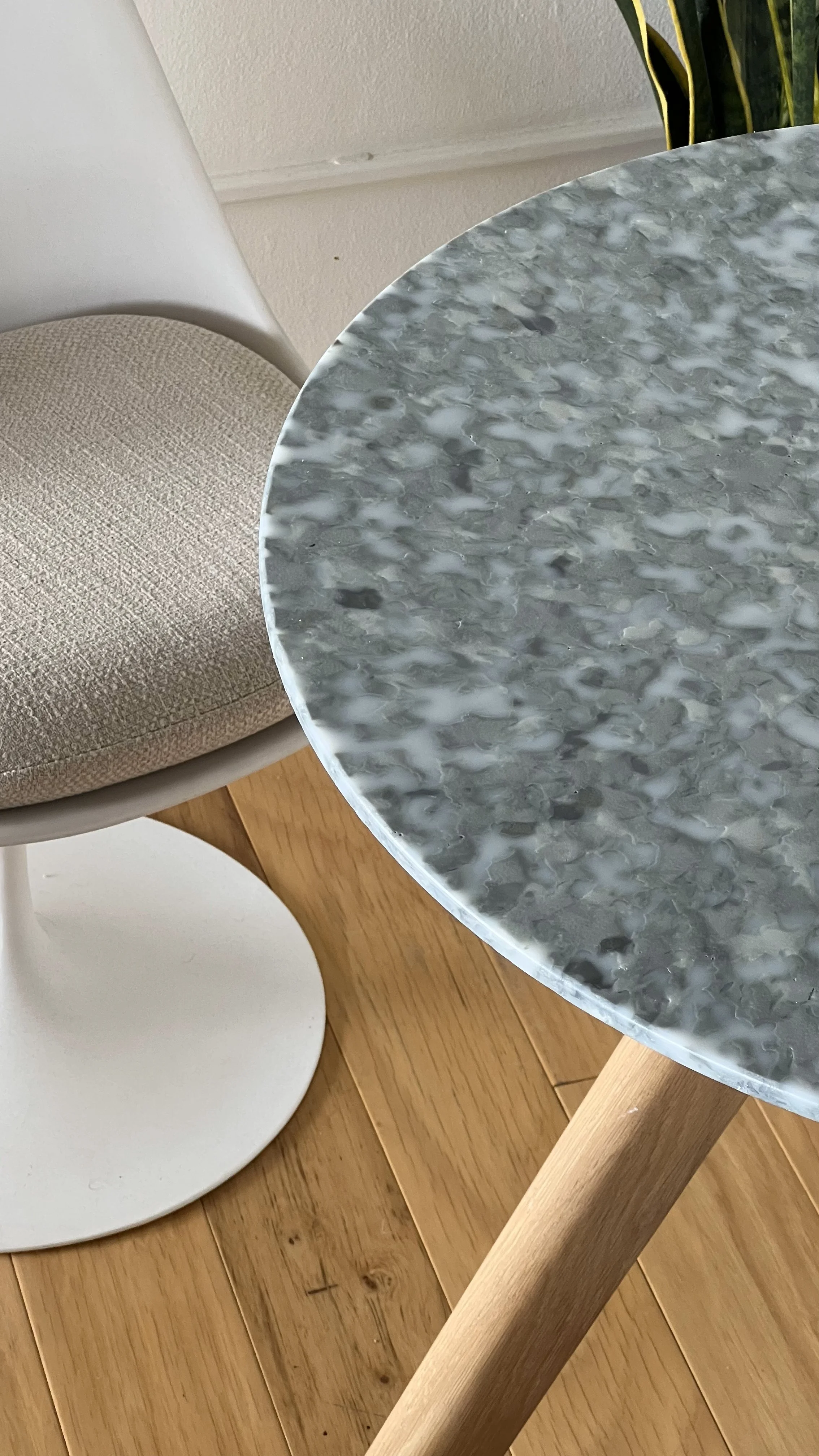
Why Designers Are Choosing Recycled HDPE Over Traditional Solid Surfaces.
Traditional solid surfaces like wood, plywood composites, laminates, stone—come with tradeoffs. They often require protective coatings, adhesives, or finishes that increase environmental impact and shorten the product’s lifespan.